

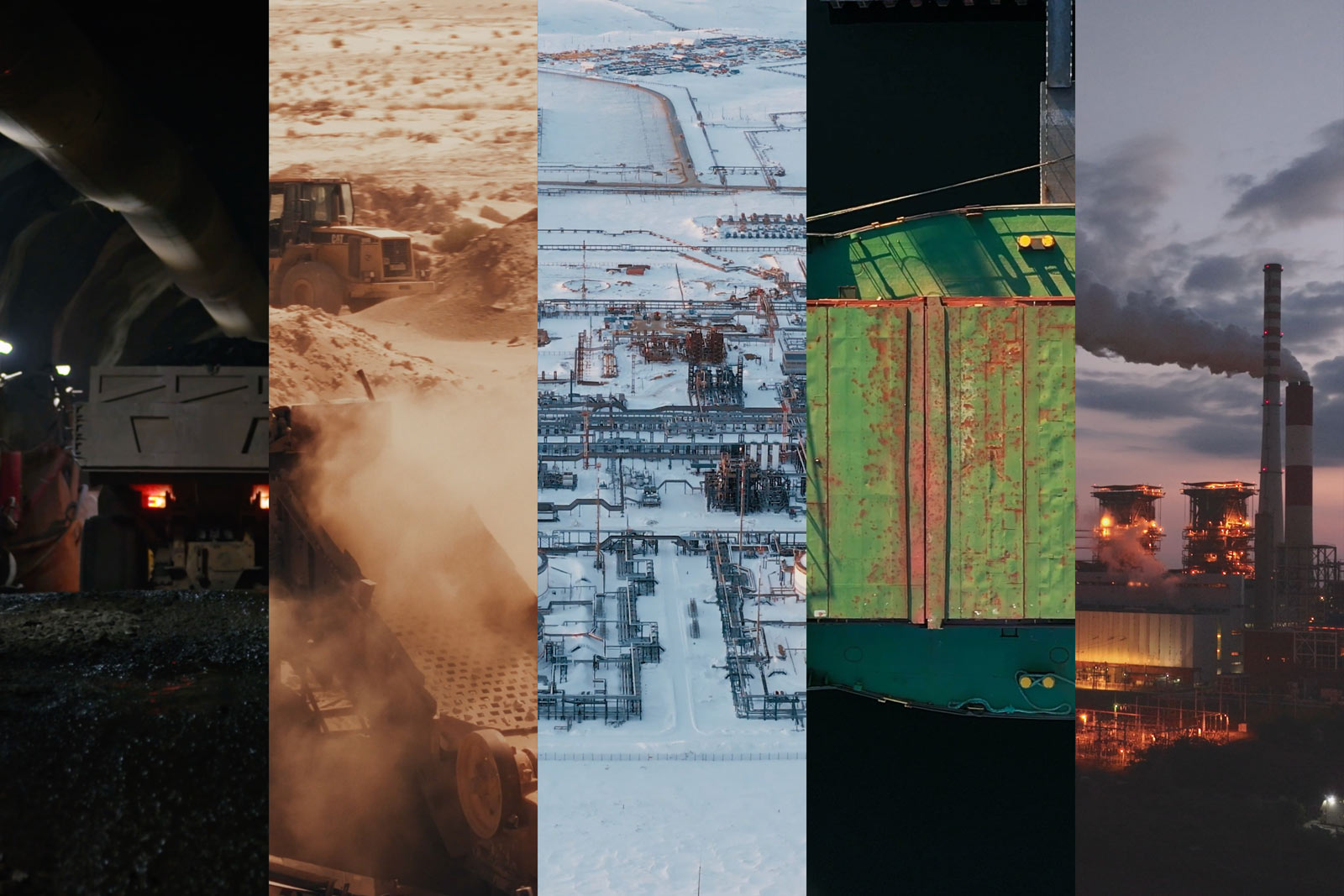
Designing an electrical cabinet or automation infrastructure involves much more than simply arranging internal components. Right from the start, considering the installation site and its environmental stresses is essential: humidity, chemical agents, temperature fluctuations, UV radiation, and salinity are factors that can compromise the structure and the entire system's functionality over time
Understanding the Environment: The ISO 12944 Classification
To select the ideal treatment, the first step is identifying the corrosivity category of the installation site. The governing standard specifies different classes, ranging from protected indoor environments to the most severe outdoor conditions.
Here is how the main risk categories are divided:
|
ISO Class |
Typical Environment |
Installation Examples |
|
C1 |
Indoor (very low) |
Heated buildings with clean air |
|
C2 |
Indoor (low) |
Unheated warehouses or buildings where condensation may occur |
|
C3 |
Indoor/Medium (medium) |
Food processing plants or urban areas with moderate pollution |
|
C4 |
Outdoor/indoor |
Chemical plants, shipyards, and coastal areas with moderate salinity |
|
C5 - CX |
Marine/Extreme |
Offshore platforms, marine environments, and industrial areas |
Technical Solutions for Maximum Protection
Based on the identified corrosivity category, Zanardo technical department guides the customer toward the most suitable structural solution and surface treatment.
1. Standard Epoxy-Polyester Powder Coating (C1 - C3 Indoor Classes)
For installations inside protected environments, where the primary focus is mechanical durability and aesthetic quality in the absence of direct corrosive agents, thermosetting epoxy-polyester powder coating offers the ideal balance of reliability and performance.
2. The Zanardo Outdoor Cycle: Cataphoresis + Polyester (C3 - C4 Outdoor Classes)
Designed for outdoor exposure or demanding indoor environments, the Outdoor Cycle combines two synergistic protective layers:
- KTL Primer (Cataphoresis): An electrophoretic dip-coating process that deposits a uniform 25-micron layer across every surface of the cabinet including edges, welds, and internal hollow sections that are typically difficult to reach.
- Polyester finish: A final powder coating using UV-resistant outdoor-grade resins (80–90 microns thick) to prevent chalking and color fading.
The Technical insight: Certified laboratory testing according to ISO 9227 confirms salt spray resistance exceeding 720 hours without rust formation, maintaining excellent structural adherence.
3. AISI 316 Stainless Steel (Extreme C5 & CX Classes)
When the enclosure is destined for critical contexts such as coastal areas, industrial platforms, or the food and pharmaceutical sectors where frequent sanitation is mandatory, the raw material itself is the ultimate answer.
Using AISI 316 austenitic stainless steel delivers maximum resistance to pitting corrosion and an extended service life, eliminating reliance on surface coatings that could scratch during on-site assembly.
From Custom Engineering to Installation
Selecting the right material is not a secondary detail; it is the fundamental guarantee for an infrastructure's long-term durability.
Leveraging decades of sheet metal fabrication expertise and innovative technologies, Zanardo works closely with customers from the initial design phase to engineer the ideal enclosure for any environmental challenge.
Working on a project in a high-corrosivity environment? Contact us for a technical consultation.